


مشاهیر ایران
India in Persian Poetry
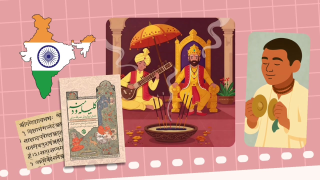
India holds a special place in Persian poetry and entered Persian literary culture in the 13th century with the presence of Amir Khusrow Dehlavi. Persian-speaking Indian poets, such as Bidel Dehlavi and Ghalib, created a complex and richly imagistic style, making India the subject of many of their mystical, romantic, and philosophical poems. This prominence was further strengthened during the Mughal period, and India became one of the major centers of Persian poetry, with its poetic works exerting significant influence on both Persian and Urdu literature. Today, India is recognized as an important landmark in the history of Persian poetry, with its literary legacy still alive.

9
مشاهیر ایران
Iranian Poets in India
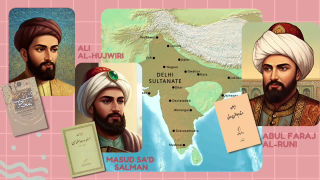
Many Iranian poets migrated to the Indian courts during the Safavid and Mughal periods. Vahshi Kashani (d. 1099 AH) composed ghazals and qasidas in the courts of Jahangir and Shah Jahan, enriching the Indian style (sabk-e Hendi). Hazin Lahiji (d. 1180 AH) moved to India after the fall of the Safavids, and his collected poetry had a significant influence there. Saeb Tabrizi (d. 1087 AH) and Qa’em Tabrizi also composed poetry in Isfahan and later in Delhi, creating thousands of verses in the intricate Indian style. These migrant poets carried Iran’s poetic culture to India and helped merge the Indo-Persian poetic style with the art of calligraphy.
17
مشاهیر ایران
Abu Rayḥan, the Father of Indology
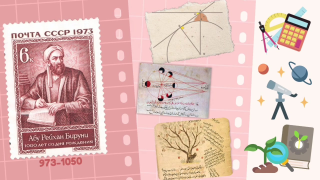
Abū Rayḥān Muḥammad ibn Aḥmad al-Bīrūnī (973–1048 CE), a prominent Iranian scholar, provided extensive information on the geography, culture, astronomy, and sciences of India in his works. He is known as “the father of Indology” because he authored Taḥqīq mā li-l-Hind min maqūlah maqbūlah fī al-‘aql aw marḏūlah (“An Inquiry into India”), which is considered the most comprehensive scientific description of ancient India. In this book, he recorded detailed accounts of Indian religion, customs, calendars, and scientific knowledge. Al-Bīrūnī approached India with experimental and critical methods, portraying it free from religious bias, and thus laid the foundations of modern Oriental studies. This title has been attributed to him due to the depth and precision of his research compared to earlier sources.
16
مشاهیر ایران
Indo-Iranian Cultural Connections Through History
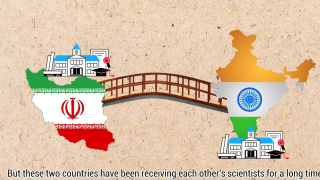
From the medieval centuries onward, a number of Iranian scholars, artists, and intellectuals migrated to India, contributing to the spread of Iranian and Islamic culture.
They played influential roles in literature, mysticism, arts, and the administration of local courts, and the Persian language became widely used in royal and academic centers.
The result of this cultural exchange was the formation of shared Indo-Iranian traditions and a significant enrichment of the region’s cultural heritage.
9
مشاهیر ایران
Persian Poetry، A Timeless Literary Heritage
Persian poetry has its roots in ancient linguistic and narrative traditions, including Avestan and Sassanian eras, and reached its structural and thematic peak with the emergence of “New Persian” in the 9th and 10th centuries CE.
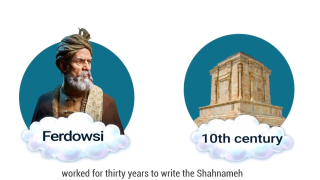
Rudaki is recognized as the father of modern Persian poetry, while Ferdowsi, through the Shahnameh, solidified the literary and historical identity of the Persian language.
Epic and narrative poetry (like that of Nezami), along with ghazals and mystical works by Rumi, Hafez, Saadi, and Omar Khayyam, brought Persian poetry to its full artistic maturity.
7
مشاهیر ایران
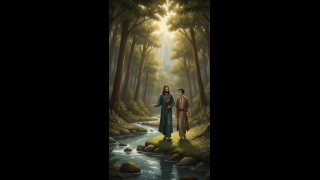
حکایت حافظ شیرازی و شاگرد و راز زندگی (آذری)
روزی شاگردی به حافظ گفت:
«استاد، بگویید چگونه میتوان به خوشبختی رسید؟»
حافظ لبخندی زد و شاگرد را به کنار رودخانهای برد. او گفت:
«ببین آب چگونه بیوقفه میگذرد، نه به گذشته مینگرد و نه به آینده فکر میکند. خوشبختی هم همین است؛ جاری بودن در لحظه و سپاس از هر قطره زندگی.»
شاگرد متعجب پرسید: «اما چگونه دل از نگرانیها خالی شود؟»
حافظ گفت: «دل را چون رودخانه رها کن، نترس و جاری باش.»
پیام برای ویدئو: زندگی در جریان است، نگران گذشته و آینده نباش، لحظه را زندگی کن.
1166
مشاهیر ایران
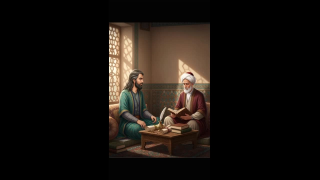
حکایت حافظ شیرازی و عالم و خواند قرآن آذری)
میگویند حافظ شیرازی از کودکی حافظِ قرآن بود و هر روز آیات را با تأمل میخواند.
روزی یکی از عالمان شهر به او گفت:
«حافظ! شنیدهام که تو هر چهل روز یک بار قرآن را ختم میکنی، آیا درست است؟»
حافظ لبخند زد و گفت:
«نه، ای دوست! من هر آیه را چهل بار در دل میخوانم تا به آن برسم؛ ختم قرآن به خواندن نیست، به فهمیدن و زیستن با آن است.»
125
مشاهیر ایران
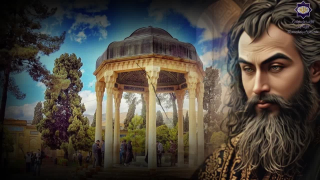
ثقافتی قونصلیٹِ ایران، اسلام آباد فخر کے ساتھ پیش کرتا ہے: ایران کے قومی شاعر خواجہ شمس الدین محمد حافظِ شیرازی کی یاد میں ایک منفرد AI Generated ویڈیو
ثقافتی قونصلیٹِ ایران، اسلام آباد فخر کے ساتھ پیش کرتا ہے:
ایران کے قومی شاعر خواجہ شمس الدین محمد حافظِ شیرازی کی یاد میں ایک منفرد AI Generated ویڈیو
جس میں خود حافظِ شیرازی جدید ٹیکنالوجی کے ذریعے گویا زندہ ہو کر پاکستانی عوام سے محبت، دوستی اور اخوت کا پیغام دے رہے ہیں، اور اپنی لازوال شاعری کے چند اشعار پیش کر رہے ہیں۔
حافظ کی شاعری آج بھی دلوں کو ایمان، عشق اور روشنی سے بھر دیتی ہے — ان کے الفاظ انسانیت، عشقِ حقیقی اور روحانی بیداری کا پیغام ہیں۔
آئیے، اس خاص موقع پر ہم سب مل کر ان کی سدا بہار باتوں کو سنیں، محسوس کریں اور اُن سے محبت کا عہد تازہ کریں۔
دیکھنے کے لیے ویڈیو ضرور ملاحظہ کریں اور شیئر کریں تاکہ حافظ کا پیغام ہر دل تک پہنچے۔
18
مشاهیر ایران
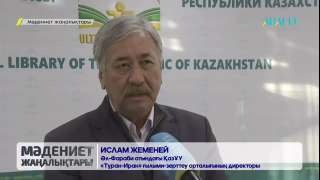
مصاحبه اختصاصی آبای تی وی با شخصیت های قزاق ایرانی
«Иран қазақтары: зар замана зарпынан зардап шеккендер» кітабының тұсаукесеріне арнап Abai TV телеарнасы дайындаған репортаж
14
مشاهیر ایران
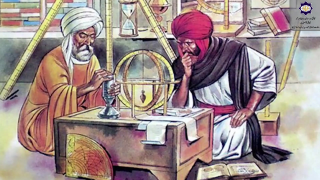
ابو ریحان البیرونی
ابو ریحان البیرونی کا دن عظیم محقق کو خراجِ تحسین پیش کرنے کا موقع ہے۔
یہ دن سائنس، فلسفے اور علم کے فروغ کی اہمیت یاد دلاتا ہے۔
ان کے دن پر دنیا بھر میں ان کی خدمات کو سراہا جاتا ہے۔
البیرونی کا دن نئی نسل کو تحقیق اور علم کی راہ اپنانے کی ترغیب دیتا ہے۔
15
مشاهیر ایران
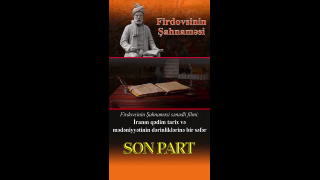
قسمت آخر مستند شاهنامه فردوسی دوبله به زبان آذری
با همکاری معاونت فرهنگی شهرداری مشهد، مستند فاخر «شاهنامه فردوسی» به کارگردانی عبدالرضا رحمانینسب منتشر شد.
در این اثر، با شاهنامهپژوهان برجسته گفتوگو شده و بخشهایی از داستانهای شاهنامه بهصورت نمادین در فضای استودیو بازسازی شدهاند.
با همت وابستگی ج.ا.ایران در نخجوان و بهرمندی از امکانات تولید صدا با هوش مصنوعی این مستند با 9 صدای متفاوت به زبان آذری لاتین دوبله شد.
17
مشاهیر ایران
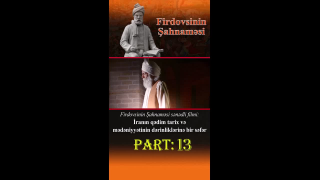
قسمت سیزدهم مستند شاهنامه فردوسی دوبله به زبان آذری
با همکاری معاونت فرهنگی شهرداری مشهد، مستند فاخر «شاهنامه فردوسی» به کارگردانی عبدالرضا رحمانینسب منتشر شد.
در این اثر، با شاهنامهپژوهان برجسته گفتوگو شده و بخشهایی از داستانهای شاهنامه بهصورت نمادین در فضای استودیو بازسازی شدهاند.
با همت وابستگی ج.ا.ایران در نخجوان و بهرمندی از امکانات تولید صدا با هوش مصنوعی این مستند با 9 صدای متفاوت به زبان آذری لاتین دوبله شد.
13